

Give your creative projects a timeless, textured, and visually appealing appearance with Free Paper Backgrounds designed for graphic design, digital artwork, video editing, presentations, and creative compositions. Paper textures offer a versatile way to introduce warmth, character, and subtle detail into a design. From clean white paper and soft cream surfaces to vintage parchment, recycled paper, and distressed textures, different paper backgrounds can support a wide range of visual styles.
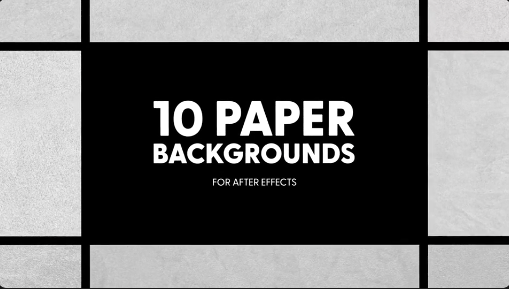
Whether you are a graphic designer, photographer, video editor, content creator, student, or digital artist, a Free Paper Texture Background can provide a useful foundation for your next project. Use paper textures as full-screen backgrounds, image overlays, poster surfaces, presentation slides, social media graphics, or decorative elements in a larger composition.
Depending on the available asset, paper backgrounds may feature subtle fibers, natural grain, wrinkles, faded marks, rough edges, stains, or distressed details. These visual characteristics can make a digital design feel more tactile and give otherwise simple layouts a distinctive appearance.
A Free Vintage Paper Background may feature faded tones, worn edges, uneven coloration, subtle stains, or an antique-inspired surface. These textures can be useful for invitations, historical presentations, scrapbook designs, editorial graphics, and retro-themed artwork.
For more expressive designs, distressed and grunge paper textures can introduce visible imperfections, rough surfaces, folds, and weathered details. Choose a texture that supports the purpose of the design rather than competing with the main subject.
For minimalist designs, a subtle paper grain can make the background feel less flat while preserving a clean composition. For vintage-inspired projects, an aged or parchment-style texture can reinforce the theme and complement classic fonts, illustrations, stamps, and decorative borders.
Paper textures can also be layered with shapes, photographs, typography, and illustrations to create collages or mixed-media artwork. Adjust the texture's scale, opacity, and placement when supported by your editing software to achieve the desired visual balance.
Use a Free Old Paper Background for historical posters, antique-inspired invitations, storytelling graphics, book covers, journal pages, scrapbook compositions, and heritage-themed presentations. Parchment-style textures may also work well for maps, fantasy artwork, certificates, and creative documents that benefit from an old-world aesthetic.
For a convincing vintage composition, coordinate the background with suitable typography, muted colors, and relevant imagery. Avoid adding too many effects at once, as excessive stains, scratches, or decorative elements can make the design feel crowded.
A Free Paper Texture Background can also support mood boards, journal-style graphics, handmade product promotions, stationery designs, and aesthetic social media layouts. Use lighter textures when text readability is important, and choose stronger distressed textures when the background itself is intended to contribute significantly to the visual style.
For mobile-first content, make sure the main message remains readable at smaller sizes. Keep sufficient contrast between the text and the background, especially when using textures with noticeable fibers, folds, or stains.
Depending on the file format and asset features, you may be able to use a Free Paper Background as a still image, a layered graphic, or an overlay in compatible editing software. High-resolution textures are especially useful when the background needs to fill a large frame or appear in a detailed design.
For video projects, consider how the paper texture interacts with motion, color grading, and typography. A subtle texture can help create a cohesive visual atmosphere, while a strongly distressed surface may suit projects with a more dramatic or handmade aesthetic.
Students, educators, researchers, and designers may use paper textures in project covers, visual reports, classroom presentations, and digital worksheets. For professional or information-heavy documents, select a restrained texture that does not reduce readability or interfere with charts, tables, and other essential content.
When preparing a document for printing, verify that the background resolution and color settings are appropriate for the intended output. A texture that looks subtle on a monitor may appear more pronounced when printed.
Depending on the asset and software, you may be able to crop the texture, adjust brightness and contrast, modify colors, change opacity, blend the texture with photographs, or combine multiple surfaces to create a custom appearance.
For example, a warm beige paper texture can support a vintage poster, while a pale gray or off-white texture may suit a minimalist editorial design. You can also layer a paper texture over an image and adjust the blending settings to create a subtle printed or tactile effect.
Always check the original asset's dimensions, resolution, file format, and licensing conditions before using it in a project. Not every paper background includes transparency, editable layers, or a high-resolution version.
Maintain text readability: Use suitable contrast and avoid placing important text over highly detailed areas.
Adjust the intensity: Subtle textures can add depth without overpowering the composition. Stronger textures work best when they support the intended design.
Consider resolution: Select an image with sufficient dimensions for your project, particularly for large posters, print materials, or high-resolution video.
Coordinate colors: Match the background's tone with your typography, images, and other design elements.
Use layering thoughtfully: Combine paper textures with photographs, illustrations, shapes, and text without overcrowding the layout.
Preview the final output: Check how the texture appears on different screens or in print before completing the project.
Review licensing: Confirm whether the asset permits personal use, commercial use, modification, and redistribution.
These backgrounds can be used for posters, invitations, brochures, social media graphics, scrapbook pages, digital journals, presentations, book covers, video titles, and promotional materials. With the right texture and careful customization, paper backgrounds can help establish a distinctive visual style across a wide variety of creative projects.
Add warmth, texture, and personality to your creative work with paper backgrounds that complement your visual direction. Whether you are designing a vintage poster, creating a social media graphic, editing a video, or preparing a professional presentation, the right paper texture can help transform a simple composition into a more polished and engaging design.
Whether you are a graphic designer, photographer, video editor, content creator, student, or digital artist, a Free Paper Texture Background can provide a useful foundation for your next project. Use paper textures as full-screen backgrounds, image overlays, poster surfaces, presentation slides, social media graphics, or decorative elements in a larger composition.
Depending on the available asset, paper backgrounds may feature subtle fibers, natural grain, wrinkles, faded marks, rough edges, stains, or distressed details. These visual characteristics can make a digital design feel more tactile and give otherwise simple layouts a distinctive appearance.
Explore Different Styles of Paper Backgrounds
Paper backgrounds come in many styles, making them suitable for both modern and traditional designs. Clean white and off-white textures work well for minimalist layouts, while cream and beige surfaces can create a warm, understated aesthetic. Vintage paper backgrounds introduce an aged appearance that can complement historical themes, classic typography, and nostalgic compositions.A Free Vintage Paper Background may feature faded tones, worn edges, uneven coloration, subtle stains, or an antique-inspired surface. These textures can be useful for invitations, historical presentations, scrapbook designs, editorial graphics, and retro-themed artwork.
For more expressive designs, distressed and grunge paper textures can introduce visible imperfections, rough surfaces, folds, and weathered details. Choose a texture that supports the purpose of the design rather than competing with the main subject.
Perfect for Graphic Design and Digital Artwork
Graphic designers can use Free Paper Backgrounds to create posters, flyers, brochures, invitations, greeting cards, editorial layouts, album artwork, and promotional graphics. A textured paper surface can add visual interest without requiring complicated decorative elements.For minimalist designs, a subtle paper grain can make the background feel less flat while preserving a clean composition. For vintage-inspired projects, an aged or parchment-style texture can reinforce the theme and complement classic fonts, illustrations, stamps, and decorative borders.
Paper textures can also be layered with shapes, photographs, typography, and illustrations to create collages or mixed-media artwork. Adjust the texture's scale, opacity, and placement when supported by your editing software to achieve the desired visual balance.
Create Vintage, Retro, and Antique Designs
Vintage paper backgrounds are useful when you want to evoke a historical, nostalgic, or handcrafted appearance. Their faded tones and natural-looking imperfections can help establish a sense of age and character.Use a Free Old Paper Background for historical posters, antique-inspired invitations, storytelling graphics, book covers, journal pages, scrapbook compositions, and heritage-themed presentations. Parchment-style textures may also work well for maps, fantasy artwork, certificates, and creative documents that benefit from an old-world aesthetic.
For a convincing vintage composition, coordinate the background with suitable typography, muted colors, and relevant imagery. Avoid adding too many effects at once, as excessive stains, scratches, or decorative elements can make the design feel crowded.
Useful for Social Media and Content Creation
Content creators can incorporate paper backgrounds into Instagram posts, Pinterest graphics, Facebook posts, YouTube thumbnails, digital announcements, and other online content. A paper texture can provide a consistent visual foundation for quotes, educational content, promotional messages, and creative storytelling.A Free Paper Texture Background can also support mood boards, journal-style graphics, handmade product promotions, stationery designs, and aesthetic social media layouts. Use lighter textures when text readability is important, and choose stronger distressed textures when the background itself is intended to contribute significantly to the visual style.
For mobile-first content, make sure the main message remains readable at smaller sizes. Keep sufficient contrast between the text and the background, especially when using textures with noticeable fibers, folds, or stains.
Enhance Photography and Video Editing Projects
Paper textures can be useful in photography, compositing, and video production. Designers can place photographs over textured paper to create scrapbook-style layouts, editorial compositions, and printed-photo effects. Video editors can also use suitable paper backgrounds as title cards, transitions, slideshow surfaces, or backgrounds for animated typography.Depending on the file format and asset features, you may be able to use a Free Paper Background as a still image, a layered graphic, or an overlay in compatible editing software. High-resolution textures are especially useful when the background needs to fill a large frame or appear in a detailed design.
For video projects, consider how the paper texture interacts with motion, color grading, and typography. A subtle texture can help create a cohesive visual atmosphere, while a strongly distressed surface may suit projects with a more dramatic or handmade aesthetic.
Ideal for Presentations, Documents, and Creative Projects
Paper backgrounds can also enhance presentations, educational materials, digital notebooks, mood boards, and creative portfolios. A clean paper texture can introduce warmth to an otherwise plain slide, while vintage surfaces can support historical or artistic topics.Students, educators, researchers, and designers may use paper textures in project covers, visual reports, classroom presentations, and digital worksheets. For professional or information-heavy documents, select a restrained texture that does not reduce readability or interfere with charts, tables, and other essential content.
When preparing a document for printing, verify that the background resolution and color settings are appropriate for the intended output. A texture that looks subtle on a monitor may appear more pronounced when printed.
Customization in Photoshop and Other Design Software
This Free Paper Texture Collection can be useful in Adobe Photoshop and other compatible graphic design or image editing applications, depending on the supplied file format. Common image formats may include JPEG or PNG, while some asset collections may offer other formats or layered project files.Depending on the asset and software, you may be able to crop the texture, adjust brightness and contrast, modify colors, change opacity, blend the texture with photographs, or combine multiple surfaces to create a custom appearance.
For example, a warm beige paper texture can support a vintage poster, while a pale gray or off-white texture may suit a minimalist editorial design. You can also layer a paper texture over an image and adjust the blending settings to create a subtle printed or tactile effect.
Always check the original asset's dimensions, resolution, file format, and licensing conditions before using it in a project. Not every paper background includes transparency, editable layers, or a high-resolution version.
Tips for Using Paper Backgrounds Effectively
Choose the right texture: Match the paper style to your project's theme, whether it is minimalist, vintage, artistic, or distressed.Maintain text readability: Use suitable contrast and avoid placing important text over highly detailed areas.
Adjust the intensity: Subtle textures can add depth without overpowering the composition. Stronger textures work best when they support the intended design.
Consider resolution: Select an image with sufficient dimensions for your project, particularly for large posters, print materials, or high-resolution video.
Coordinate colors: Match the background's tone with your typography, images, and other design elements.
Use layering thoughtfully: Combine paper textures with photographs, illustrations, shapes, and text without overcrowding the layout.
Preview the final output: Check how the texture appears on different screens or in print before completing the project.
Review licensing: Confirm whether the asset permits personal use, commercial use, modification, and redistribution.
Who Can Benefit from These Free Paper Backgrounds?
The Free Paper Backgrounds collection is suitable for graphic designers, photographers, digital artists, video editors, illustrators, content creators, students, educators, and marketing professionals. Beginners can use paper textures to improve the visual appearance of simple designs, while experienced creatives can incorporate them into more complex compositions and layered artwork.These backgrounds can be used for posters, invitations, brochures, social media graphics, scrapbook pages, digital journals, presentations, book covers, video titles, and promotional materials. With the right texture and careful customization, paper backgrounds can help establish a distinctive visual style across a wide variety of creative projects.
Explore Free Paper Backgrounds on Freevideofx
Looking for Free Paper Backgrounds, vintage paper textures, aged parchment surfaces, or creative backgrounds for your next project? Freevideofx helps creators discover digital assets and creative resources for different design and production workflows. Explore the available asset details, check the image resolution and file format, and review the licensing terms before using a background in personal or commercial projects.Add warmth, texture, and personality to your creative work with paper backgrounds that complement your visual direction. Whether you are designing a vintage poster, creating a social media graphic, editing a video, or preparing a professional presentation, the right paper texture can help transform a simple composition into a more polished and engaging design.


